Specials
Functional & Regenerative Medicine
Close
Functional Medicine
Regenerative Medicine
Aesthetic Services
Close
Gut Health Testing
More
.png)
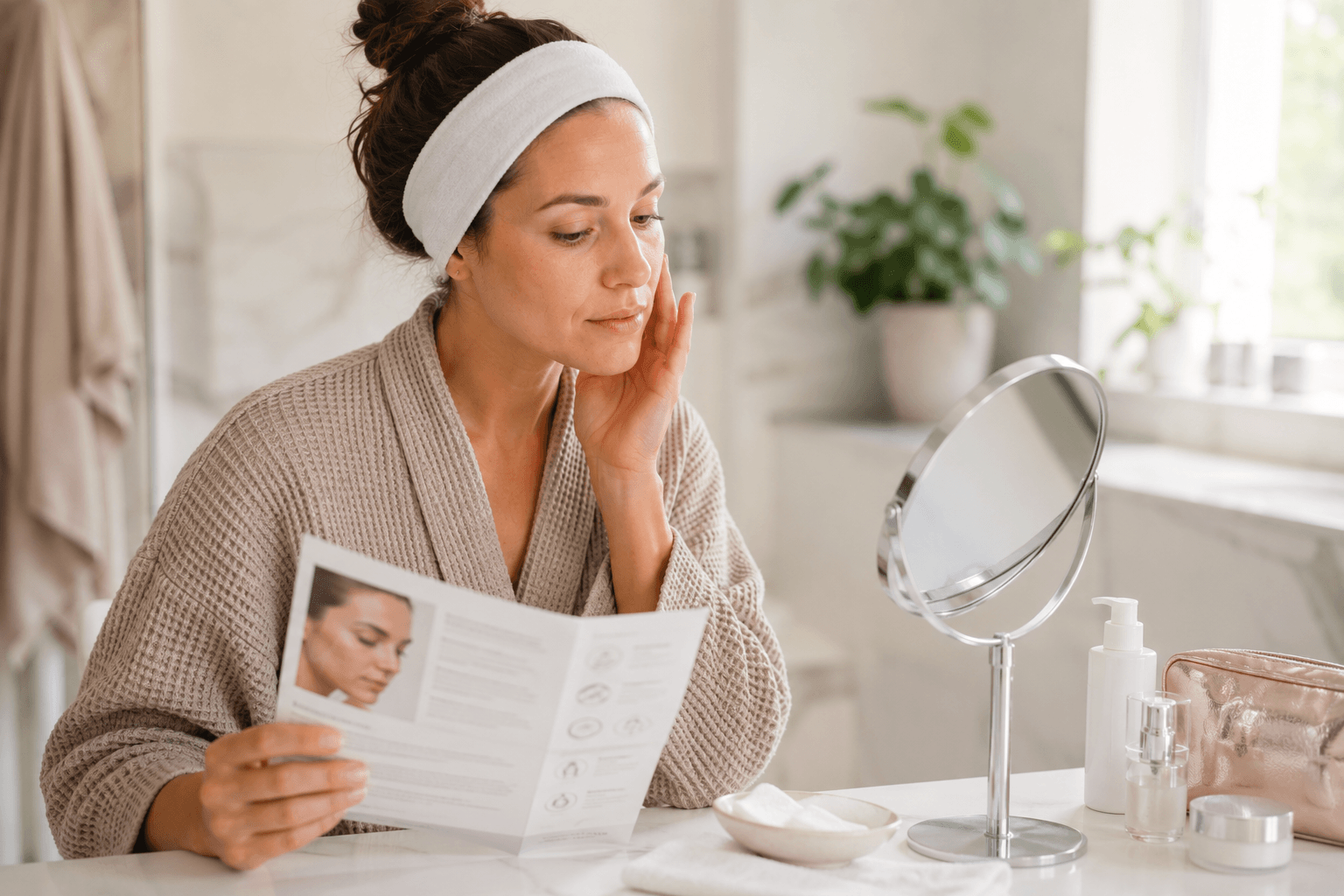
Booking a skin resurfacing appointment is the easy part. Knowing what to actually do beforehand, and what your skin will look and feel like in the days after, is where most people have questions. Whether you are addressing sun damage, acne scarring, or overall texture, a little preparation goes a long way toward getting the results you want with the smoothest recovery possible.
This guide, updated for 2025, walks through exactly how to get ready for skin resurfacing and what to expect once the treatment is done.
Skin resurfacing uses controlled energy, typically light or laser based, to remove or heat damaged outer layers of skin and stimulate the growth of healthier tissue underneath. As the treated area heals, it reveals smoother, more even toned skin while also encouraging new collagen production.
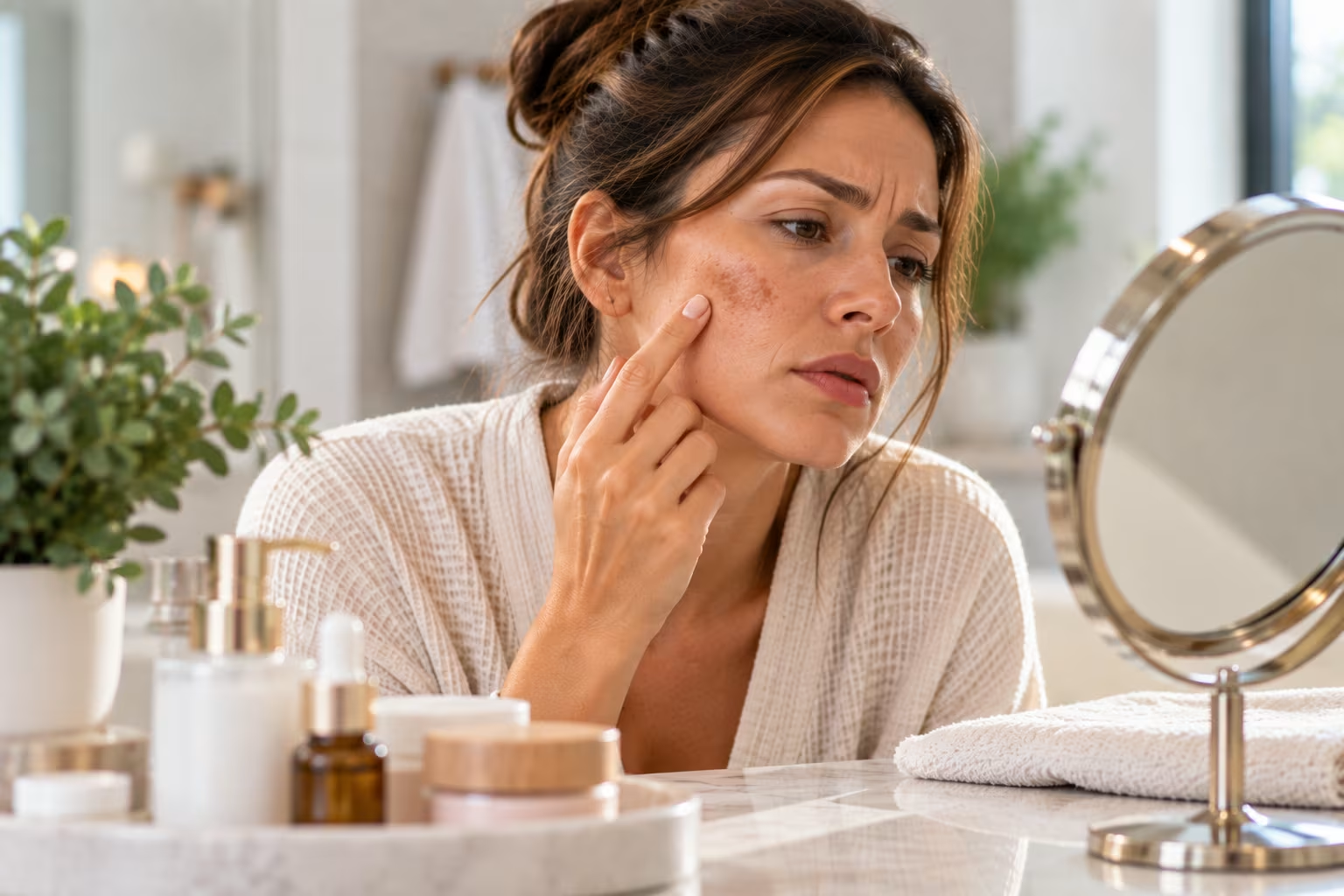
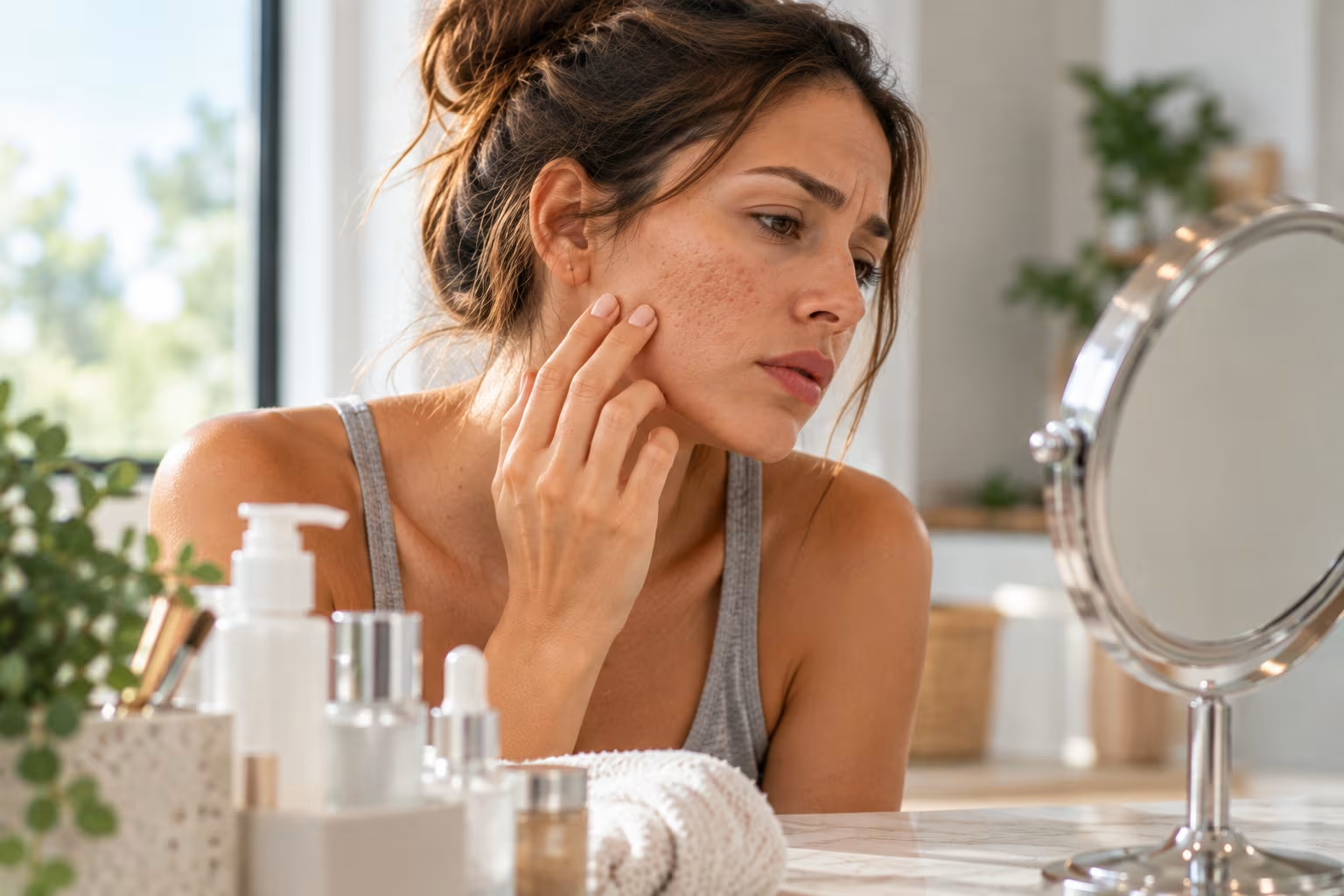
It is commonly used to address:
The intensity of treatment can be adjusted depending on your skin's needs, from a lighter approach with minimal downtime to a deeper treatment that delivers more dramatic results but requires more recovery time.
Preparation actually starts a few weeks before your appointment, not the night before. Here is what typically helps:
Showing up with clean skin, free of makeup and lotion, also helps your provider get a clear view of what needs treatment.
Recovery varies depending on the depth of treatment, but here is a general timeline many clients experience:
Day 1: Skin often looks pink to red, similar to a mild sunburn, with some warmth or tightness in the treated area.
Days 2 to 3: Redness typically starts to fade, though some peeling or flaking can begin, especially with deeper treatments.
Days 4 to 7: Peeling continues for most people during this window, and it is important to resist picking at flaking skin to avoid scarring or uneven healing.
Week 2 and beyond: Skin generally looks smoother and more even, with continued improvement over the following weeks as collagen remodeling continues beneath the surface.
Throughout recovery, gentle cleansing, fragrance free moisturizer, and diligent sunscreen use are essential. Our team will provide specific aftercare instructions based on your exact treatment.
Some initial brightening is often visible once the peeling phase resolves, typically within one to two weeks. However, the fuller results from collagen remodeling continue to develop over the following one to three months, since new collagen production is a gradual process rather than an overnight change.
Many clients find that texture and tone continue improving well beyond the initial healing period, which is part of why patience during the first few weeks pays off.
This depends heavily on your goals and the intensity of treatment used. Lighter resurfacing sessions with minimal downtime are sometimes repeated every few weeks as part of an ongoing maintenance plan. Deeper treatments designed to address significant scarring or sun damage are often spaced further apart, sometimes months, to allow full healing and collagen development between sessions.
During your consultation, our team can map out a realistic schedule based on your skin's specific concerns and how it responds to the first treatment.
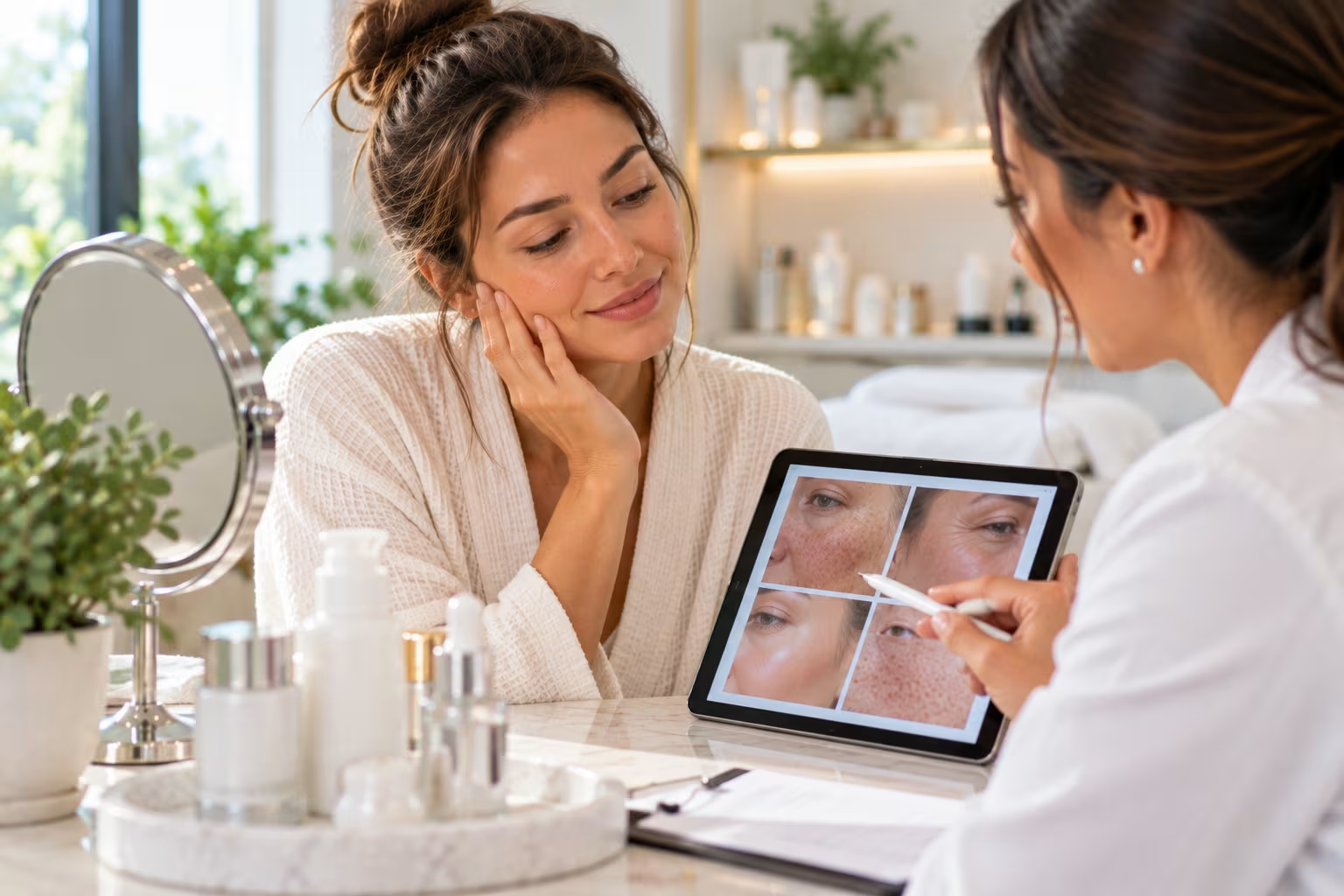
Some Hingham clients pair skin resurfacing with other treatments to address multiple concerns at once. For example, resurfacing might be combined with skin tightening for clients dealing with both texture issues and mild laxity, or scheduled alongside a chemical peel series for more comprehensive skin renewal over time. Our team can help sequence treatments appropriately so healing time is respected between each one.
Is skin resurfacing painful? Most clients describe a warm or tingling sensation during treatment, and topical numbing is often used for comfort depending on the intensity level chosen.
How long does recovery take? Lighter treatments may only involve a day or two of redness, while deeper resurfacing can involve up to a week or more of visible peeling before skin looks fully settled.
Can I wear makeup during recovery? It is best to avoid makeup until any peeling or flaking has resolved, since the skin barrier is still healing and more sensitive during this window.
Will skin resurfacing help with acne scars? Yes, resurfacing is commonly used to soften the appearance of acne scarring by encouraging smoother, more even textured skin to form as the treated area heals.
How soon can I go back outside after treatment? You can resume normal activities right away in most cases, but strict sunscreen use and sun avoidance are essential during the healing period to protect new skin and preserve results.
Preparing properly and knowing what to expect afterward makes all the difference between a smooth recovery and unnecessary frustration. With the right prep and a little patience during healing, skin resurfacing can deliver genuinely refreshed, more even looking skin. If you have specific concerns about your skin type or history, our team is happy to walk through a personalized plan before you book.
Visit our homepage to explore our full range of services, or learn more on our skin resurfacing service page and our chemical peels page for related options.