Specials
Functional & Regenerative Medicine
Close
Functional Medicine
Regenerative Medicine
Aesthetic Services
Close
Gut Health Testing
More
.png)
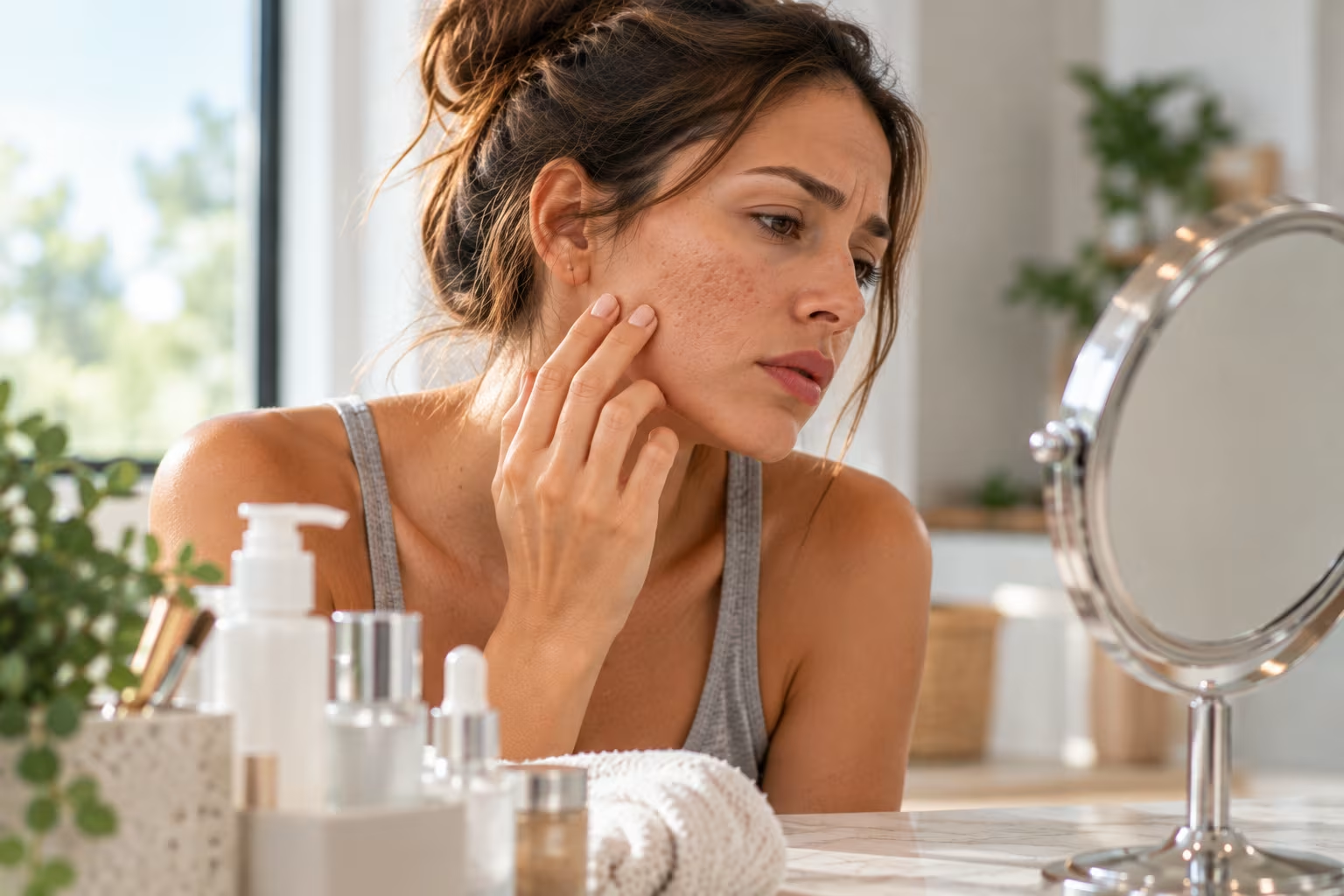
Getting acne under control feels like a win, until you look in the mirror and notice the marks it left behind have not gone anywhere. Pitted texture, dark marks, and uneven skin tone can linger for months or years after breakouts stop, and no amount of concealer fully hides them up close. Finding the right acne scar treatment starts with understanding what type of scarring you actually have, since not every mark responds to the same approach.
This article walks through the different types of acne scarring, what causes marks to stick around, and which treatments available in Hingham are best suited to smoothing texture and evening out tone.
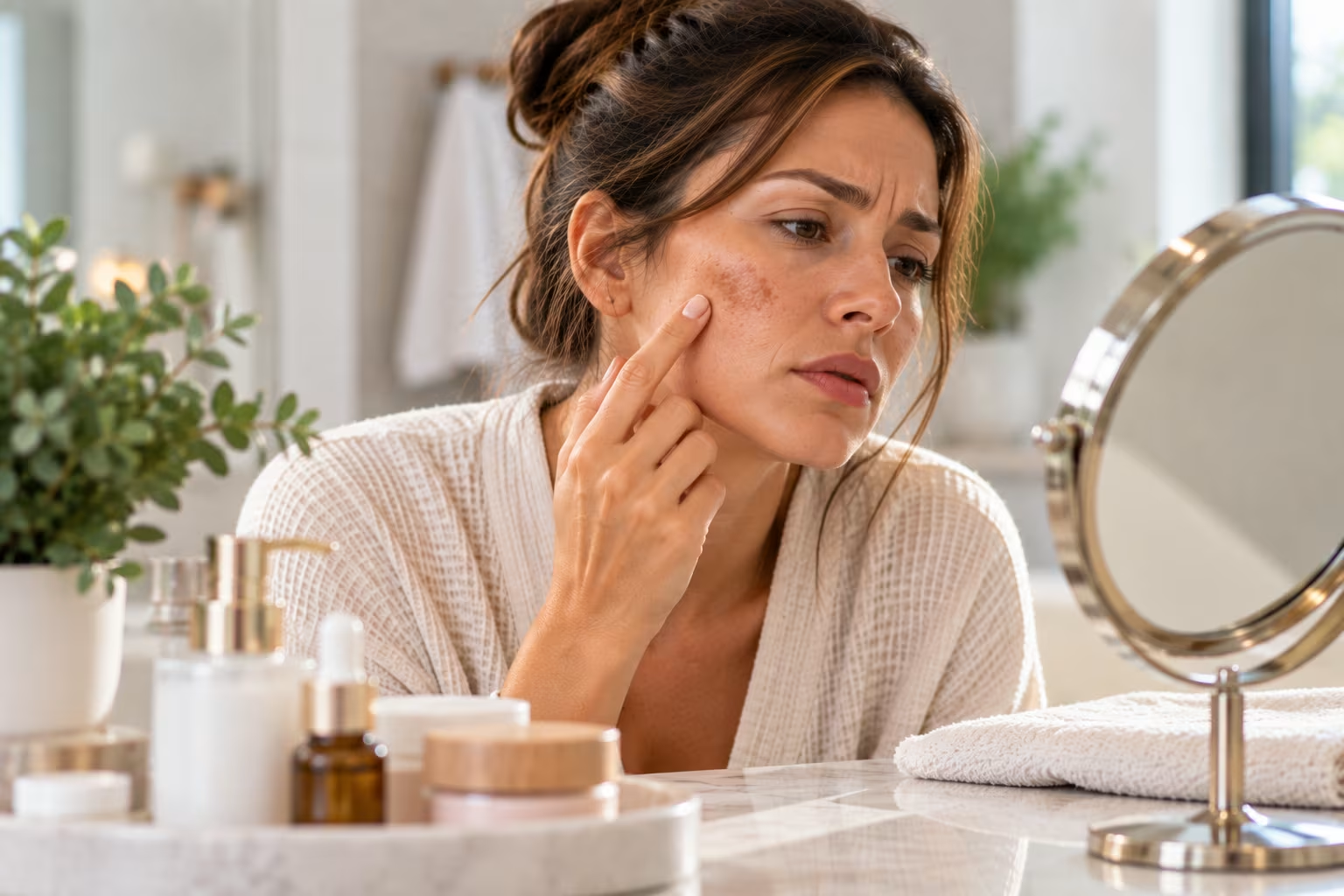
Acne scars generally fall into two categories: textured scars, which create indentations or raised areas in the skin, and discoloration, which leaves flat marks without changing the skin's texture. Knowing which type you are dealing with matters because the treatment approach is different for each.
Textured scarring includes ice pick scars, which are narrow and deep, boxcar scars, which have defined edges and a wider shape, and rolling scars, which create a wavy, uneven surface. Discoloration, often called post inflammatory hyperpigmentation, appears as flat pink, red, purple, or brown marks and typically fades faster than textured scarring, though it can still take months to resolve on its own.
Scarring happens when acne damages the deeper layers of skin and disrupts the normal collagen repair process, either producing too little collagen, which creates indentations, or too much, which can create raised scarring. The depth and severity of the original breakout plays a large role in whether it leaves lasting texture behind.
Picking, popping, or squeezing acne significantly increases the risk of scarring because it forces trauma deeper into the skin than the infection would have reached on its own. Cystic and nodular acne, which sit deeper under the skin, are also far more likely to scar than surface level whiteheads or blackheads.
Discoloration from acne often fades gradually over several months to a year, but textured scarring such as pitting or indentations generally does not resolve without intervention. This is one of the most important distinctions to understand before assuming a mark will simply disappear with time.
Sun exposure can also slow this process down considerably, since UV light darkens post inflammatory marks and makes them more resistant to fading. This is part of why consistent sun protection is often recommended alongside any acne scar treatment plan.
Skin resurfacing is one of the most effective options for improving textured acne scarring, using targeted energy to remove damaged surface layers and stimulate fresh collagen production underneath. This process helps smooth out pitting and indentations over a series of treatments.
Collagen induction therapy, which uses controlled micro injuries to trigger the skin's natural healing response, is another option frequently used for acne scarring, particularly rolling and shallow boxcar scars. By encouraging the body to rebuild collagen in the treated area, it gradually fills in depressed scarring from beneath the surface rather than simply addressing it topically.
For clients dealing with both texture and lingering discoloration, the vampire facial combines microneedling with the client's own plasma to support skin repair and improve overall tone alongside texture.
Chemical peels are frequently used to address post inflammatory discoloration by removing damaged surface cells and encouraging faster, more even cell turnover. Depending on the depth of the peel, this can noticeably shorten how long dark or red marks stick around.
Dermaplaning can also support discoloration treatment by removing the buildup of dead skin cells that often makes marks appear more pronounced, while allowing brightening serums to absorb more effectively afterward.
Most acne scar treatments require a series of sessions, typically spaced four to six weeks apart, since collagen remodeling and cell turnover happen gradually rather than all at once. Visible improvement is common after the first few treatments, with continued progress over several months.
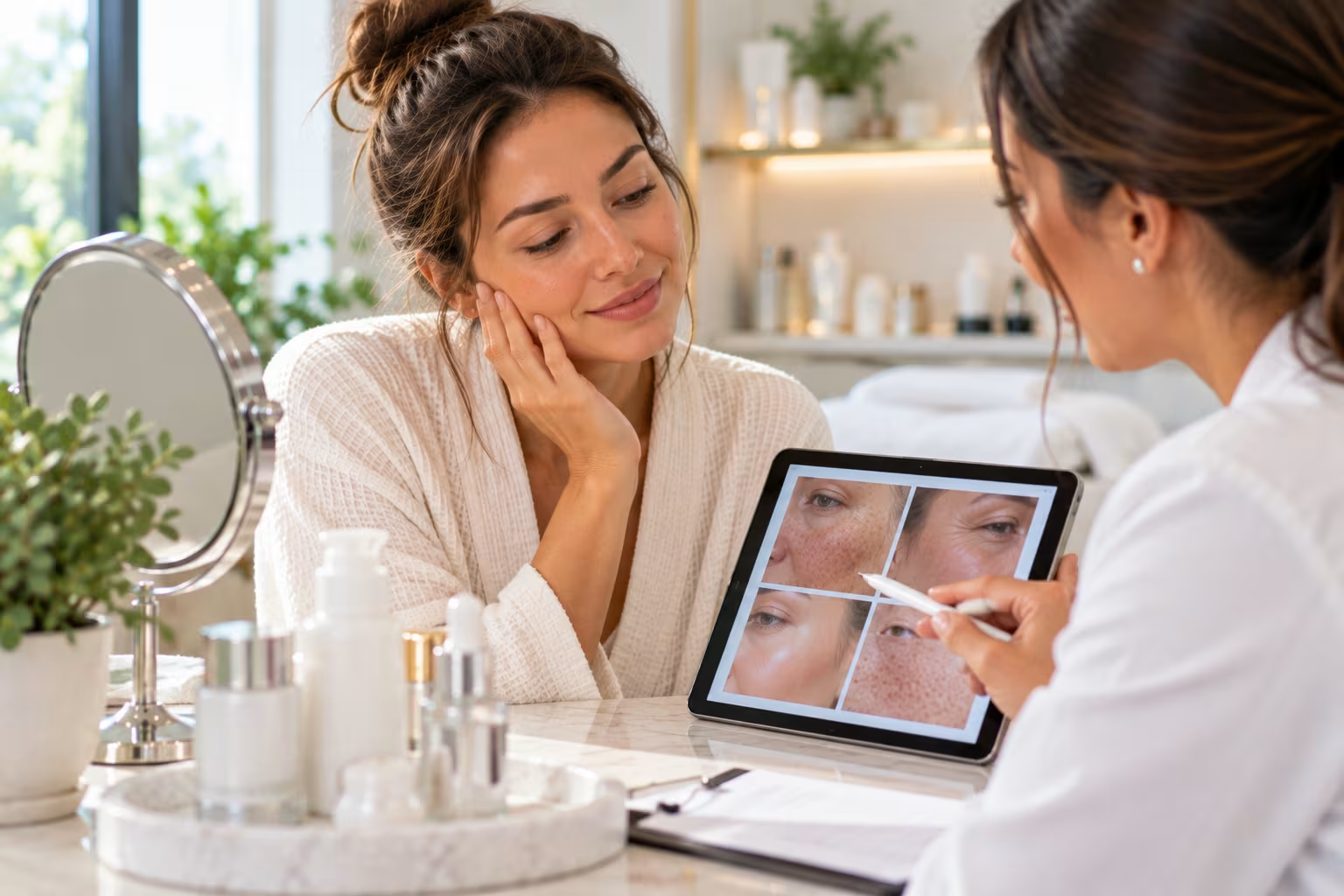
The total number of sessions needed depends on scar depth, skin type, and how the skin responds to treatment. A consultation at New England Wellness Center can help set realistic expectations for timeline and results based on your specific scarring.
Skin tone plays a significant role in determining which acne scar treatment is safest and most effective, since certain energy based treatments carry a higher risk of triggering additional discoloration in deeper skin tones if settings are not properly adjusted. This is one of the most important factors a provider should evaluate before recommending a treatment plan.
For clients with deeper skin tones, gentler chemical peels, carefully calibrated collagen induction therapy, and conservative treatment intervals often provide a safer path to improvement than more aggressive laser settings. This does not mean deeper skin tones cannot be treated effectively. It simply means the plan needs to be built around the individual's skin rather than a standard, one size fits all protocol.
Most adults with stable, non-active acne are good candidates for scar treatment, since these treatments are generally more effective once breakouts have been brought under control. Attempting to treat scarring while acne is still active can sometimes aggravate the skin further.
People with a range of skin tones and scar types can typically be treated, though the specific approach and settings used should always be tailored to individual skin type to minimize the risk of further discoloration.
Is acne scar treatment painful? Most treatments involve mild discomfort that is well tolerated, and numbing options are often available depending on the treatment selected. Any redness or sensitivity afterward is typically temporary.
How long does it take to see results from acne scar treatment? Some improvement in tone can appear within a few weeks, while textured scarring generally takes several months of consistent treatment to show its full results, since collagen remodeling is a gradual process.
Can acne scars be completely removed? Most treatments significantly improve the appearance of scarring rather than erasing it entirely. The goal is a smoother, more even complexion rather than complete elimination of every mark.
Does acne scar treatment work on darker skin tones? Yes, though the approach and technology settings should be adjusted for darker skin tones to reduce the risk of triggering additional pigment changes. This is why a proper consultation matters before starting treatment.
Acne scarring can feel like it is holding your skin hostage to a chapter you have already moved past. The right combination of treatments, matched to your specific scar type, can genuinely change how your skin looks and feels, often more than most people expect.
If old acne marks are still bothering you, the team at New England Wellness Center in Hingham can help build a treatment plan suited to your skin.