Specials
Functional & Regenerative Medicine
Close
Functional Medicine
Regenerative Medicine
Aesthetic Services
Gut Health Testing
More


Summer on the South Shore is wonderful for beach days and harbor sunsets, but it often leaves something behind on your skin: dark spots, uneven tone, rough texture, or breakouts from sunscreen and sweat. By November, many people are ready for a reset.
A chemical peel is one of the most effective ways to refresh skin after summer, and fall happens to be one of the best times to get one. Here is why timing matters, how to think about peel strength and downtime, what people with deeper skin tones should know, and how New England Wellness Center in Hingham approaches chemical peels.
A chemical peel is a treatment that applies a solution to the skin to remove damaged outer layers and encourage fresher skin to come through. Peels range from gentle to more intensive, depending on your goals and skin type. They can improve tone, texture, breakouts, and fine lines.
At New England Wellness Center, Chemical Peels are offered from gentle to more intensive options and are used to address fine lines, wrinkles, breakouts and acne, dark spots, uneven tone, rough texture, and signs of aging. Many people repeat treatments about once a month as part of a series.
Fall is a smart season for chemical peels because sun exposure drops, which lowers the risk of irritation and new pigment problems while your skin heals. It also gives you time to address summer sun damage before the holidays. Many people plan a series of peels from fall through winter.
Freshly peeled skin is more sensitive to the sun. Mayo Clinic notes that too much sun exposure around the time of a peel can lead to lasting uneven pigmentation, and that daily sunscreen is important while the skin heals. With shorter days and fewer beach afternoons, fall makes that easier.
Not necessarily. Gentle peels can be done year-round with careful sun protection. But if you spend summer weekends sailing out of Hingham Harbor or at Nantasket Beach, it is often easier to save stronger peels for the cooler months.
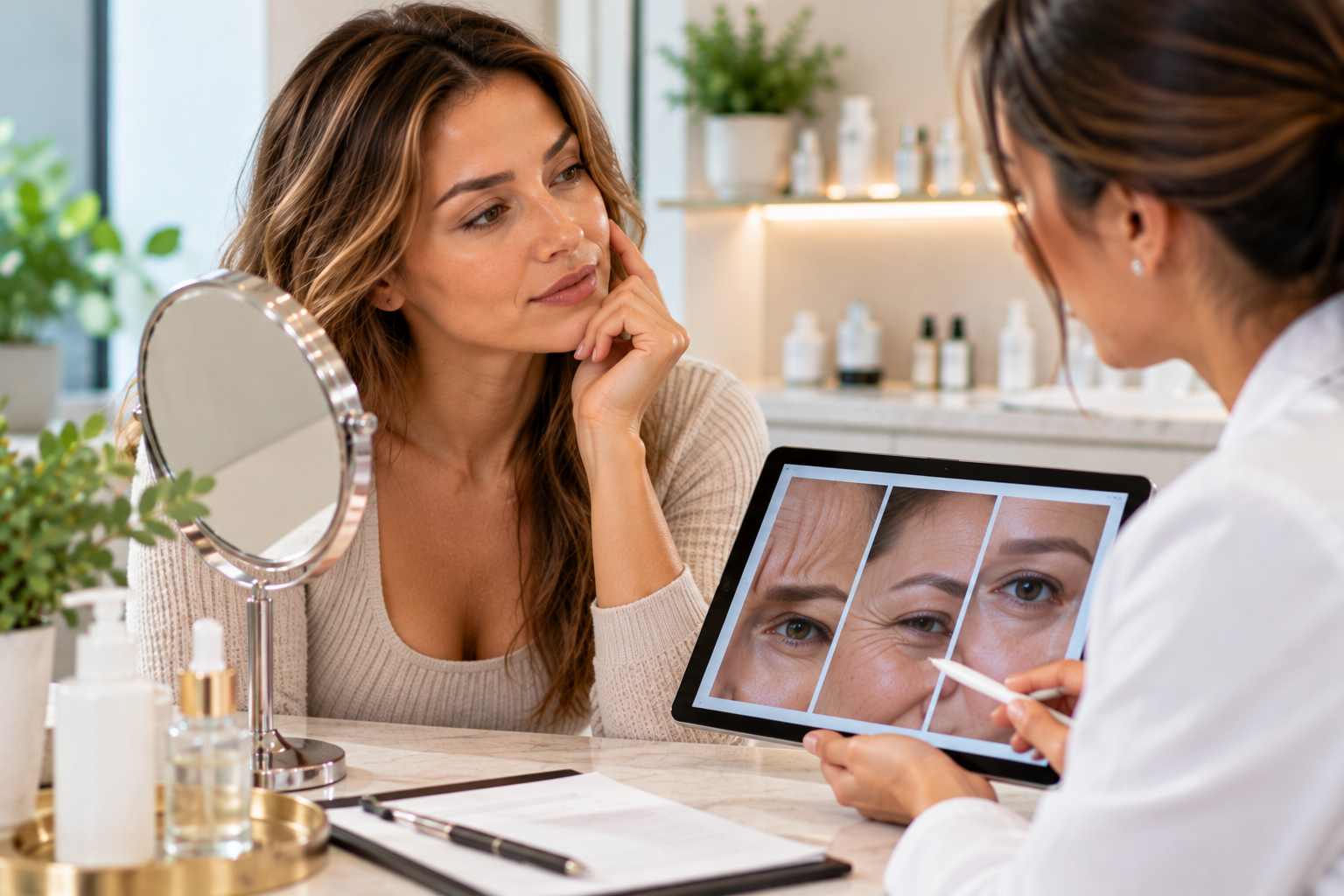
Peel strength should match your concern, skin type, and how much downtime you can manage. Gentle peels refresh tone and texture with minimal flaking, while stronger peels can address deeper concerns but involve more recovery. Your provider will recommend a strength after evaluating your skin.
Gentle peels are a good starting point for first-timers, people with sensitive skin, or anyone who wants to refresh dullness and mild unevenness. Expect mild redness and light flaking at most.
More intensive peels may be recommended for more noticeable sun damage, dark spots, or texture. They involve more peeling and recovery time. The American Academy of Dermatology notes that medium-depth peels can take about 7 to 14 days to heal, so planning matters.
Downtime depends on peel strength. Gentle peels may cause mild redness and irritation for a short time, while stronger peels can cause more noticeable peeling for several days. At New England Wellness Center, peak improvement is typically seen about five to seven days after treatment.
If you work in Boston or commute on the ferry, you probably cannot disappear for a week. The good news is that gentle peels fit into most schedules. Plan around your calendar:
Yes, chemical peels can help with breakouts and acne by clearing dead skin and congestion and improving the look of post-acne marks over time. They work best as part of a consistent plan. Severe, painful, or scarring acne should be evaluated by a dermatologist.
Many younger adults notice breakouts flare by the end of summer, after weeks of sunscreen, sweat, and humidity. A chemical peel for acne can help clear congestion and smooth texture, and gentle peels are often a comfortable first step. Pair them with a simple routine: gentle cleanser, oil-free moisturizer, and daily sunscreen.
If you are taking isotretinoin or recently finished it, tell your provider. Mayo Clinic notes that doctors may advise against a peel if you have taken isotretinoin in the past six months.
Chemical peels can be safe for deeper skin tones, but they require extra care. Brown and black skin has a higher risk of developing darker or lighter patches after a peel. Choosing the right strength and an experienced provider helps lower that risk.
The American Academy of Dermatology advises that people with skin of color work with a provider experienced in peels for darker skin tones, since improper treatment can lead to pigment problems. At your consultation, your provider will assess your skin tone and history before recommending a peel, often starting with a gentler option.
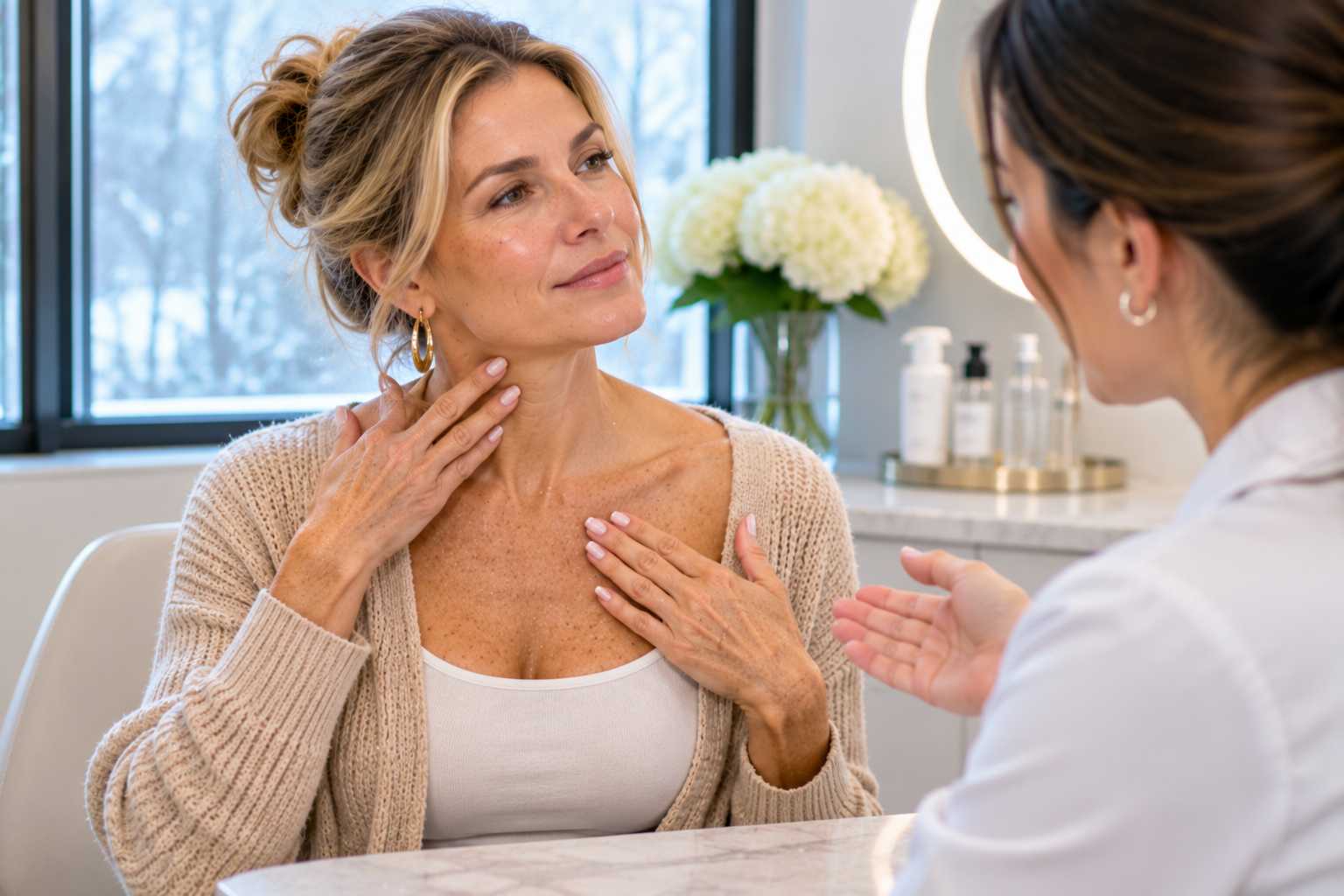
Anyone with certain medications, skin conditions, or health factors should discuss them before a peel. Being upfront helps your provider choose a safe strength and timing. In some cases, waiting or choosing another treatment is the better option.
Mayo Clinic notes that peels can trigger cold sore flare-ups in people prone to them, and that providers may recommend antiviral medication before and after treatment. Only a prescriber should make that decision.
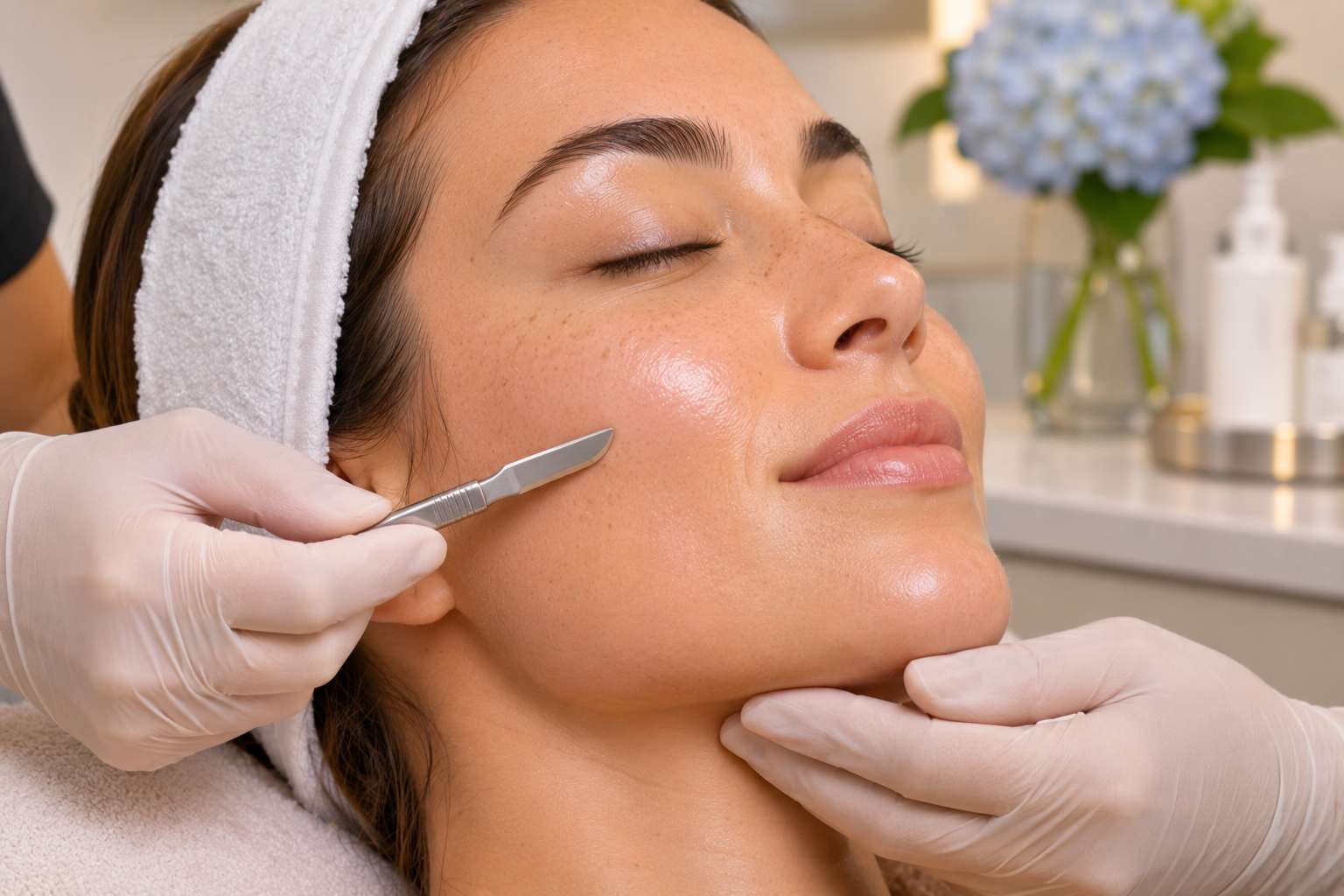
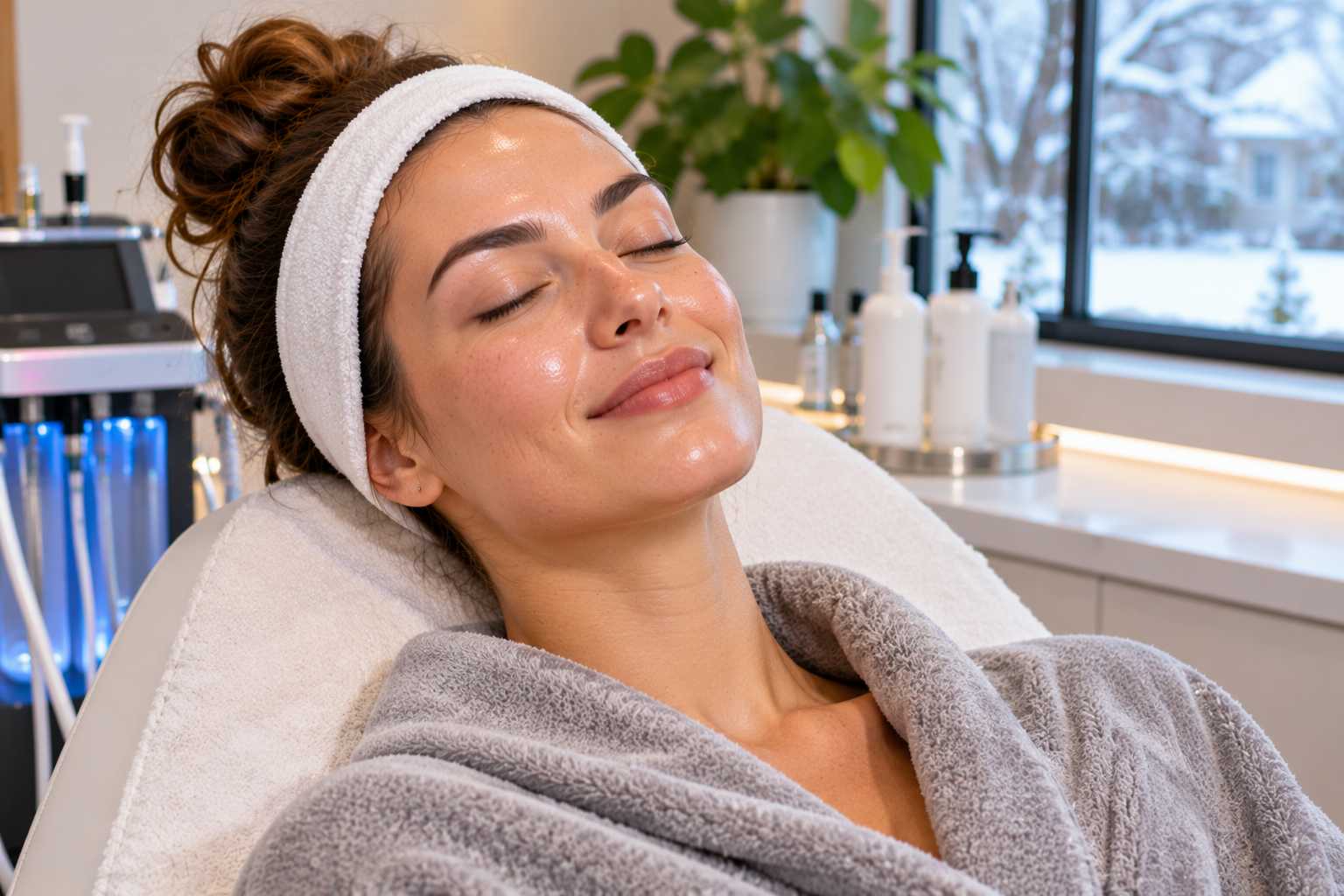
Yes, on separate visits and with proper spacing. A chemical peel pairs well with a HydraFacial for hydration or dermaplaning for smoother texture. For deeper concerns like acne scars, your provider may suggest a series that includes other treatments.
Keep your routine simple and gentle. Avoid picking or peeling flaking skin, skip exfoliating products until your provider says it is fine, moisturize generously, and wear broad-spectrum sunscreen every day. Following aftercare carefully helps protect your results.
Fall and winter are popular for chemical peels because sun exposure is lower, which helps reduce the risk of pigment problems while skin heals. Gentle peels can be done year-round with careful sun protection.
Many people get chemical peels about once a month as part of a series. Your provider will recommend a schedule based on your skin and the peel strength.
Most people feel tingling, warmth, or mild stinging during the treatment, which settles afterward. Stronger peels may feel more intense.
Peak improvement is often seen about five to seven days after treatment, once any flaking has finished. Results build with a series.
Yes. Chemical peels can help improve dark spots and uneven tone. Daily sunscreen is important to protect results and prevent new spots.
Fall on the South Shore is about fresh starts: crisp air, quieter beaches, and the perfect window to give your skin some attention before the holiday rush. With the right peel strength, smart timing, and careful aftercare, a chemical peel can help your skin look brighter, smoother, and more even by the time the first snow falls.
Explore Chemical Peels and other treatments at New England Wellness Center, then book a consultation in Hingham or call (781) 745-9021 to plan your fall skin reset.