Specials
Functional & Regenerative Medicine
Close
Functional Medicine
Regenerative Medicine
Aesthetic Services
Gut Health Testing
More


You have a good skincare routine. You wear sunscreen most days. Yet your face still looks tired, dry, or out of sorts, and nothing on the bathroom shelf seems to fix it. If that sounds familiar, you are not imagining things. Your skin responds to much more than what you put on it.
Facial wellness is a way of caring for your skin that looks at the whole picture: the treatments and products you use, plus the sleep, stress, hormones, nutrition, and digestion that shape how your skin looks and feels. At New England Wellness Center in Hingham, this idea sits at the heart of the practice, which brings functional medicine, regenerative medicine, and aesthetics together under one roof. Here is what facial wellness means, how everyday life shows up on your face, and what a balanced plan can look like.
Facial wellness means caring for your skin as part of your overall health rather than as a separate project. It combines in-office skin treatments with attention to the internal factors that can affect your complexion, such as stress, sleep, hormones, and diet. The goal is skin that looks healthy because more of you is in balance.
Think of it as two sides of the same coin. On the outside, professional treatments such as a medical facial or an exfoliating peel can improve hydration, texture, and tone. On the inside, a holistic skin care approach asks why your skin may be struggling in the first place.
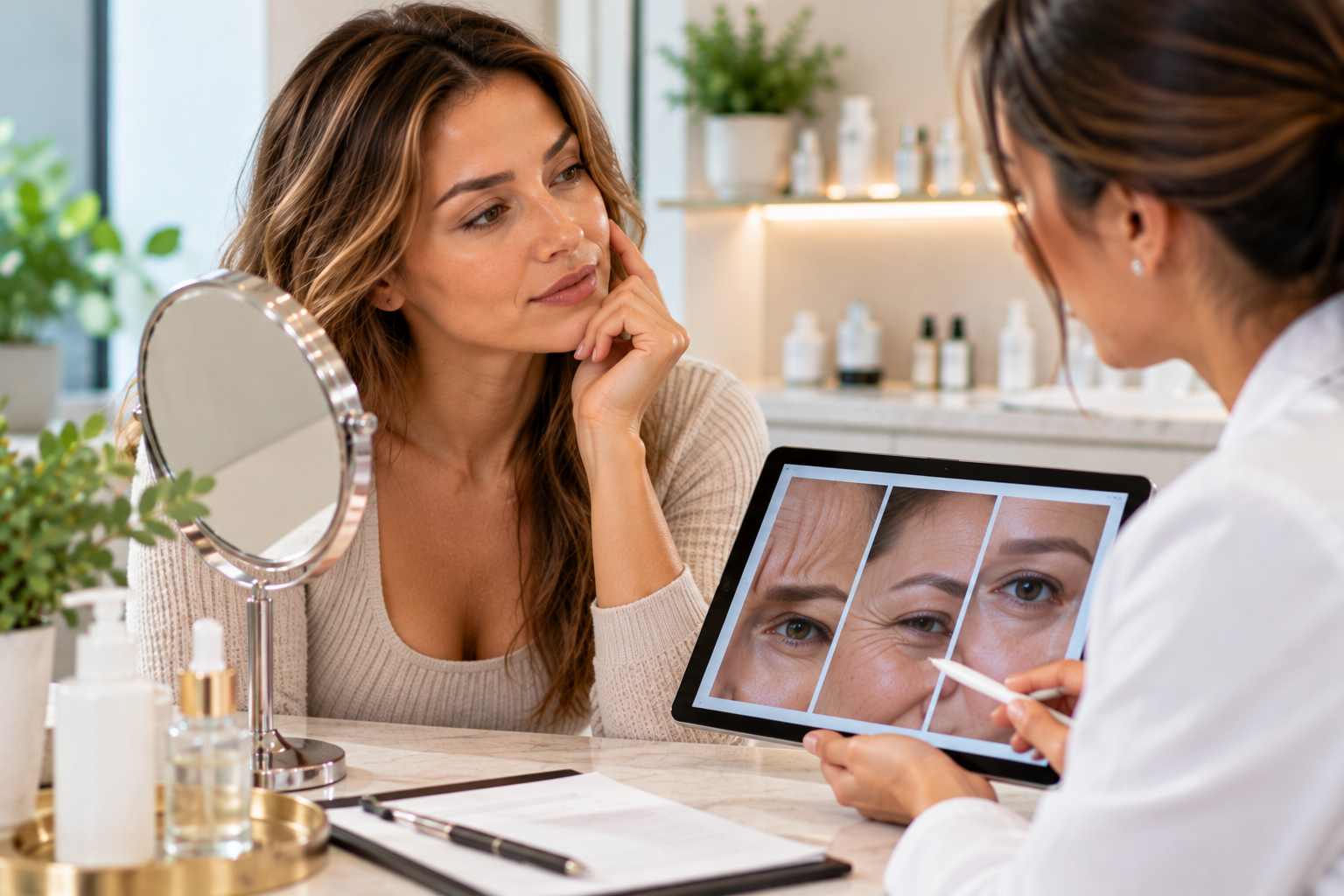
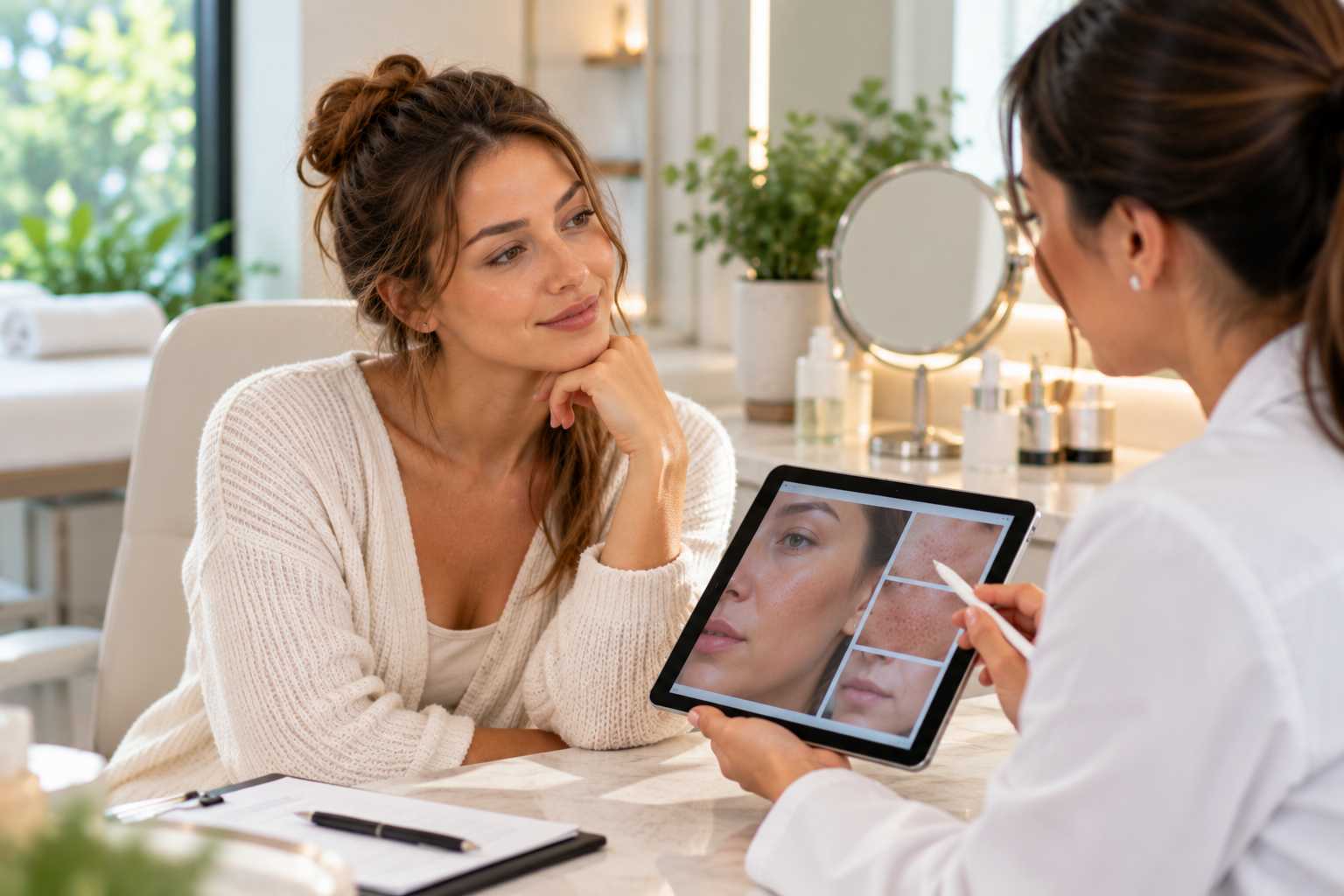
A regular facial focuses on the skin's surface during one appointment. A wellness approach starts with listening. Your provider asks about your energy, sleep, cycle or hormone changes, digestion, and stress, then uses that context to suggest a plan. That might include a facial treatment, a lab evaluation, nutrition support, or a combination.
New England Wellness Center describes this philosophy as "Inner Balance, Outer Glow," and you can read more about how the team approaches care on the Our Philosophy page.
Stress often shows up on the face through poor sleep, dullness, and a tired look, and many people notice flare-ups or sensitivity during demanding stretches. Stress affects the whole body, so it is rarely a skin-only issue. Easing stress and protecting sleep are part of any realistic facial wellness plan.
According to Mayo Clinic's overview of stress symptoms, common physical effects include sleep problems, fatigue, muscle tension, and stomach upset. Each of those can play out on your face in small ways: puffy eyes after a short night, a dull complexion after weeks of running on coffee, or a tight jaw and furrowed brow by Friday afternoon.
If you ride the Hingham ferry or the Greenbush line into Boston, you know the rhythm: early alarms, long days, screen time, and dinner on the go. Busy and stressed working professionals often tell us their skin is the first place they notice burnout. Common patterns include:
For this group, facial wellness works best when it is efficient. A HydraFacial takes about 30 minutes and is designed to improve hydration, texture, and clarity with little to no downtime, which makes it easy to fit into a workweek. Some professionals also visit the IV Lounge, where blends such as Stress & Sleep Reset are designed to support hydration and recovery during demanding seasons. These options support your routine, but they do not replace sleep, water, or stress management.
Yes. Hormone shifts can change how oily, dry, firm, or sensitive your skin feels. Women often notice this most during perimenopause and menopause, when skin may become drier and lose firmness. Identifying hormone changes through evaluation can help explain skin changes that topical products alone do not solve.
The American Academy of Dermatology notes that during menopause, skin can become drier and thinner, lose collagen, and develop more visible lines and sagging. Some women also see adult breakouts or new sensitivity.
For women, facial wellness often begins with a simple question: is this my skin, or is this my hormones? New England Wellness Center's Menopause care and Bioidentical Hormone Replacement Therapy services start with evaluation and labs, and the menopause page lists skin elasticity among the concerns it addresses.
Hormone therapy is a medical decision with individual benefits and risks, and it is not right for everyone. A careful evaluation considers your age, symptoms, health history, and personal risk factors. Hormone care is not a beauty shortcut, but when it is appropriate, it is one part of a broader plan that can include in-office skin treatments and daily care.
Women with irregular cycles, adult acne, or unwanted facial hair may also want to ask about PMOS (formerly known as polycystic ovary syndrome, or PCOS), since those symptoms can share a hormonal thread.
Researchers are actively studying the gut and skin connection, and many people notice their skin and digestion seem to flare together. The science is still developing, so gut-focused care should be viewed as supportive rather than a guaranteed skin fix. A structured look at diet and digestion can still be a useful part of a whole-person plan.
At New England Wellness Center, Gut Health (KBMO Testing) is used to look at food sensitivities and inflammation triggers, followed by guidance on diet, supplements, and lifestyle. It is important to know that food sensitivity testing is different from food allergy testing. Results are best used as one tool to guide an elimination and reintroduction plan with provider oversight.
If you have persistent digestive symptoms, bleeding, unexplained weight loss, or anemia, see a gastroenterologist for evaluation. Those symptoms need medical attention beyond a wellness plan.
What you eat and drink affects your energy, hydration, and overall health, all of which shape how your skin looks. The Nutrition service offers detailed assessments of diet, lifestyle, and goals, with practical strategies you can actually follow on a busy schedule.
The best treatment depends on what your skin needs right now. Hydrating facials help with dryness and dullness, exfoliating treatments refine texture and tone, and collagen-focused treatments address fine lines and early laxity. A provider can help you choose based on your skin, schedule, and goals.
Here is how several verified treatments fit into a facial wellness plan:
Consistency beats intensity. A sustainable plan usually combines a regular in-office treatment, a simple home routine with daily sunscreen, and attention to sleep, stress, and nutrition. Your provider can adjust the plan as seasons and life change.
South Shore weather is hard on skin. Cold wind off Hingham Harbor and dry indoor heat in winter pull moisture from the skin, while summer sun at Nantasket Beach and on the water adds up over time. A facial wellness plan should shift with the seasons, leaning on hydration in winter and sun protection all year.
Fall and winter are a practical time to focus on exfoliation and repair, since there is less intense sun exposure. Summer is the time to protect what you have built, with broad-spectrum sunscreen, hats, and shade during long days outdoors.
A wellness facial is a professional facial treatment delivered as part of a broader, whole-person approach. Along with improving hydration and texture, it considers factors such as stress, sleep, hormones, and nutrition that affect your skin over time.
Stress can contribute to poor sleep, dehydration, and habits that leave skin looking dull and tired. Managing stress will not erase lines, but it supports healthier-looking skin and helps your treatments work within a steadier routine.
Not always. Many people start with in-office treatments and a better routine. Lab testing may be helpful if your skin changes come with symptoms such as fatigue, irregular cycles, hot flashes, or digestive issues, which can point to something worth evaluating.
Many people schedule a HydraFacial or dermaplaning session every 4 to 6 weeks. Your provider will recommend a rhythm based on your skin type, goals, and how your skin responds.
No. Men deal with stress, sun exposure, and dry winter skin too, and many prefer a simple, efficient plan. Facial wellness is about matching care to your life, whatever your age or gender.
Facial wellness is not about chasing perfect skin. It is about understanding why your skin looks the way it does and caring for it in a way that fits your real life, from the ferry commute to the long winter months.
If you are ready to look at your skin through a whole-person lens, the team at New England Wellness Center in Hingham is here to listen first. Learn more about the providers on the About Us page, then book a consultation or call (781) 745-9021 to start building a plan that supports how you feel and how you look.