Specials
Functional & Regenerative Medicine
Close
Functional Medicine
Regenerative Medicine
Aesthetic Services
Close
Gut Health Testing
More
.png)
Updated June 2026
If you have ever wondered how celebrities and everyday patients alike achieve smoother, brighter, and tighter-looking skin, the answer often comes down to one powerful technology: Skin Resurfacing. In places like Skin Resurfacing in Hingham, more people are turning to advanced laser treatments to address everything from fine lines to uneven texture.
But how does it actually work?
This guide breaks down the science behind laser resurfacing in a way that is easy to understand, so you can feel confident exploring your options and knowing what to expect.
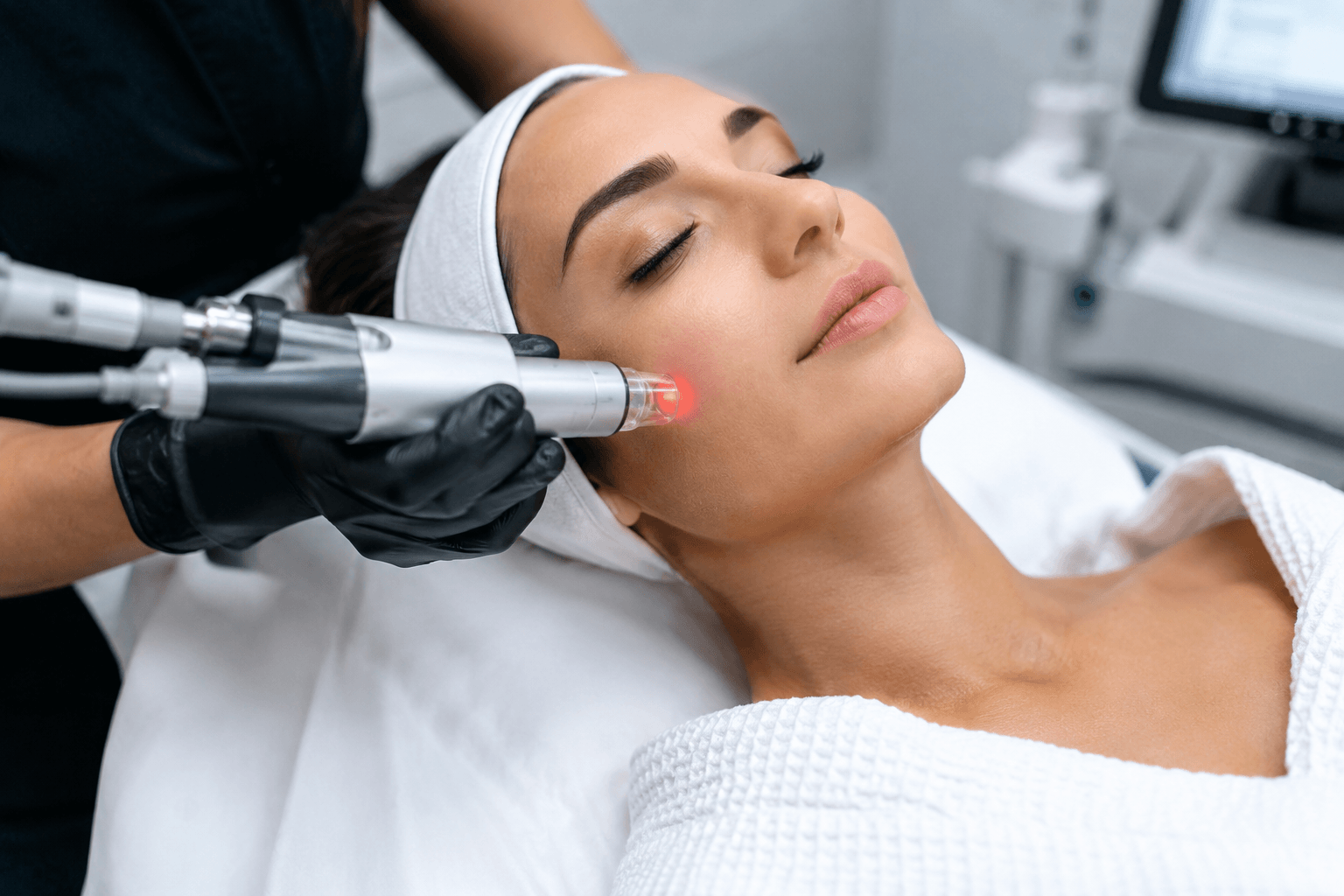
At its core, Skin Resurfacing uses controlled laser energy to improve the appearance and health of your skin. During the procedure, a specialized device delivers focused light energy to targeted areas of the skin.
This process does two key things:
As your skin heals, it produces new collagen and elastin, which are essential proteins responsible for firmness and smoothness. The result is fresher, more youthful-looking skin that continues to improve over time.
Depending on the treatment type, your provider may adjust the intensity and depth of the laser to match your skin goals, whether that includes reducing wrinkles, improving tone, or enhancing overall texture.
Laser energy works by delivering heat into specific layers of the skin. This heat is not random. It is highly controlled and designed to trigger regeneration.
Here is what happens beneath the surface:
This process is often referred to as collagen remodeling. Over time, this leads to smoother skin, improved elasticity, and a more even complexion.
Treatments that focus on Skin Tightening rely heavily on this collagen stimulation effect. While the surface may look improved quickly, the deeper benefits continue developing for weeks or even months.
Not all laser treatments are the same. Understanding the difference between ablative and non-ablative lasers can help you choose the right approach.
Ablative lasers remove the outer layer of skin entirely. These treatments are typically more intensive and are often used for:
Because they remove the top layer of skin, they usually require more downtime but can deliver dramatic results.
Non-ablative lasers do not remove the outer skin layer. Instead, they heat the underlying tissue to stimulate collagen production.
These treatments are ideal for:
Recovery time varies depending on the type and intensity of your treatment.
For lighter, non-ablative procedures, you may experience:
These effects typically fade within a few days.
For more intensive resurfacing treatments:
Your provider will guide you through aftercare, which often includes gentle skincare, sun protection, and avoiding harsh products during the healing phase.
One of the most common questions about Skin Resurfacing is when you will actually see results.
The answer depends on the treatment type:
For many patients, the most rewarding aspect is that results look natural. Instead of an artificial change, your skin gradually becomes healthier, smoother, and more refined.
Your consultation is one of the most important steps in the process. It ensures your treatment is tailored specifically to your skin type and goals.
During your visit, you can expect:
If you are exploring Laser Hair Removal or other laser-based treatments, your provider may also explain how different technologies serve different purposes. Not every laser is designed for resurfacing, and a personalized plan helps ensure the best results.
Laser resurfacing has become one of the most trusted solutions for improving skin quality because it addresses multiple concerns at once.
Patients often choose this treatment to:
Unlike topical products that only work on the surface, laser treatments reach deeper layers, making them a more comprehensive option for long-term improvement.
While Skin Resurfacing can benefit many people, it is not a one-size-fits-all solution. The ideal candidate typically:
A professional consultation will determine whether this treatment aligns with your skin goals and whether a customized plan is needed.
When performed by trained professionals, Skin Resurfacing is considered very safe. Modern laser technologies are designed with precision and built-in safety measures to protect surrounding skin.
Most patients describe the sensation as mild discomfort rather than pain. Numbing creams or cooling systems are often used to keep the treatment comfortable.
Yes, certain laser treatments are highly effective for reducing the appearance of acne scars by stimulating collagen and resurfacing uneven skin.
Many resurfacing treatments naturally promote Skin Tightening because of collagen stimulation. However, some treatments focus more specifically on tightening depending on your goals.
Some patients see results after one session, while others benefit from a series of treatments for optimal improvement. Your provider will recommend a plan based on your skin condition.
No, Laser Hair Removal targets hair follicles to reduce hair growth, while resurfacing treatments focus on improving skin texture and tone. Both use laser technology but serve different purposes.
Think of Skin Resurfacing as a reset button for your skin. It works with your body’s natural healing process to reveal a healthier, smoother, and more radiant complexion over time.
Whether you are exploring early prevention or looking to correct long-standing concerns, advanced Lasers offer a powerful way to refresh your appearance without sacrificing natural results.
In Skin Resurfacing Hingham, personalized care and modern technology come together to help you achieve skin that not only looks better but feels stronger and more resilient from within.