Specials
Functional & Regenerative Medicine
Close
Functional Medicine
Regenerative Medicine
Aesthetic Services
Close
Gut Health Testing
More
.png)
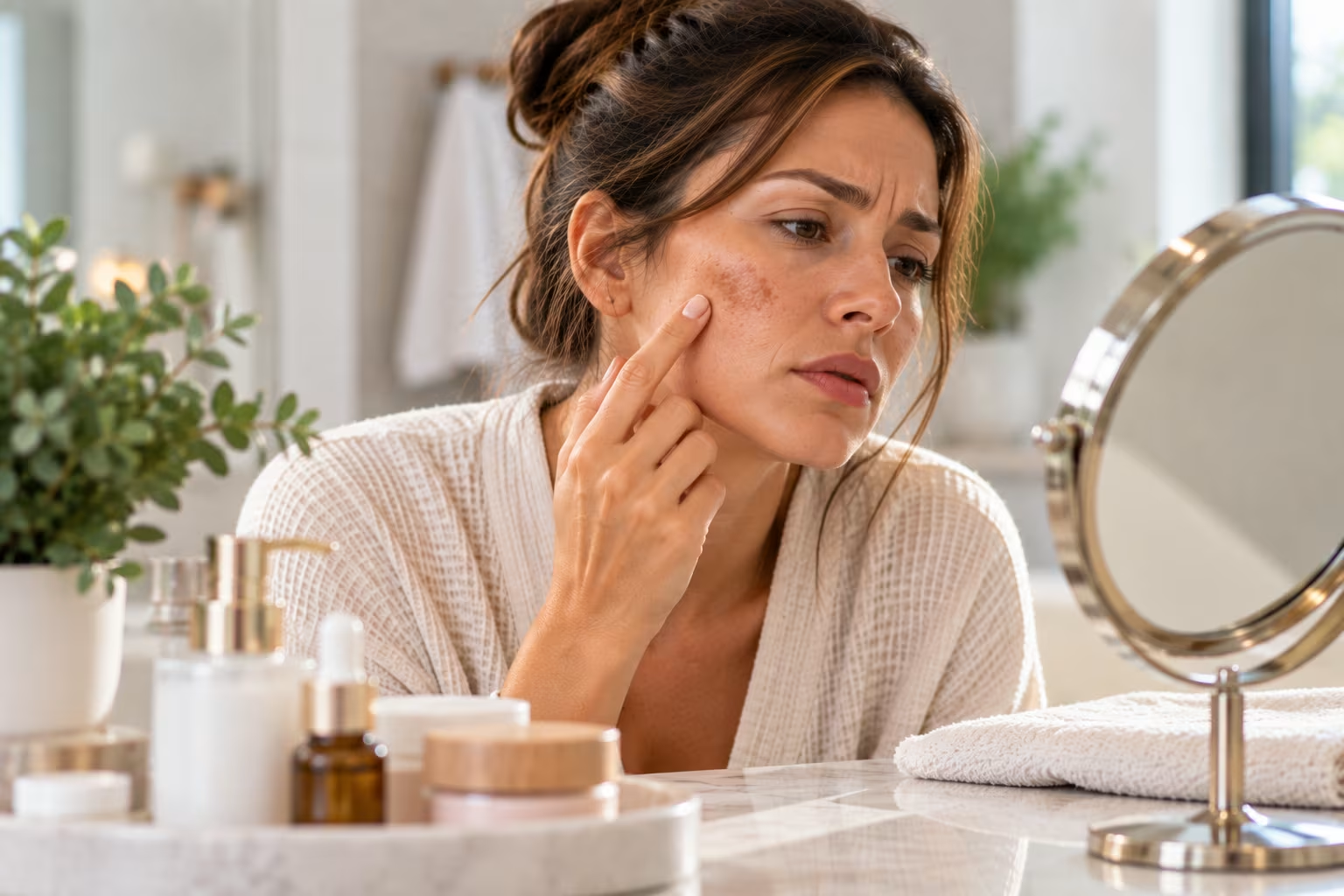
Sunspots from summers past, faint marks left by an old breakout, or patches of discoloration that seem to have appeared out of nowhere. Whatever the source, hyperpigmentation is one of the most common skin concerns people bring up, and also one of the most misunderstood. Many people spend months on brightening serums with little to show for it, mostly because the underlying cause of the discoloration was never actually addressed.
This article covers what causes hyperpigmentation, why it can be so stubborn, and which treatments available in Hingham are most effective at evening out skin tone.
Hyperpigmentation happens when certain areas of skin produce excess melanin, usually triggered by sun exposure, hormonal changes, inflammation, or skin injury. The result is patches of skin that appear darker than the surrounding tone.
Sun exposure is the most common trigger, which is why hyperpigmentation tends to appear on areas most exposed to UV light, like the cheeks, forehead, and backs of the hands. Hormonal hyperpigmentation, often called melasma, is frequently linked to pregnancy, birth control, or hormonal fluctuations, and tends to appear in larger, more symmetrical patches than sunspots. Post inflammatory hyperpigmentation develops after the skin experiences trauma, such as acne, cuts, or burns, as part of the skin's natural healing response.
Dark spots that persist for months or years are often deeper within the skin than they appear, or they continue getting reinforced by ongoing sun exposure before they have a chance to fully heal. Melanin can sit at different depths in the skin, and deeper pigmentation naturally takes longer to clear, if it clears at all without treatment.
Continued sun exposure is the biggest reason existing hyperpigmentation refuses to fade. Even brief, unprotected sun exposure can undo weeks of progress from brightening products or professional treatment, which is why sunscreen is considered a non negotiable part of any hyperpigmentation treatment plan, not just a nice to have.
Sun damage is one of the leading causes of hyperpigmentation, but not all hyperpigmentation comes from the sun. Melasma, post acne marks, and pigmentation from skin injury can all occur without significant sun exposure, though sun can still worsen every type of discoloration once it exists.
Sun damage specifically tends to show up as flat brown spots, commonly called sunspots or age spots, concentrated on areas that receive the most UV exposure over the years. This is different from melasma, which typically appears in broader patches across the forehead, cheeks, and upper lip.
Laser treatments target excess melanin directly, breaking down pigment in the treated area so the body can naturally clear it over the following days and weeks. This makes laser treatment one of the more precise options for sunspots and other well defined areas of discoloration.
Chemical peels work differently, removing the outer layers of pigmented skin cells and encouraging faster, more even cell turnover underneath. Peels can be especially effective for widespread or uneven discoloration that is not limited to a few isolated spots.
Skin resurfacing offers another approach for more stubborn or deeper pigmentation, using controlled energy to resurface the skin and stimulate new, more evenly toned cell growth over time. For clients managing both discoloration and texture concerns, this treatment often addresses several issues within the same series of sessions.
Melasma is more sensitive to treatment than typical sunspots and can worsen if treated too aggressively, since heat and inflammation can trigger additional pigment production in melasma prone skin. A more conservative, gradual approach is generally recommended.
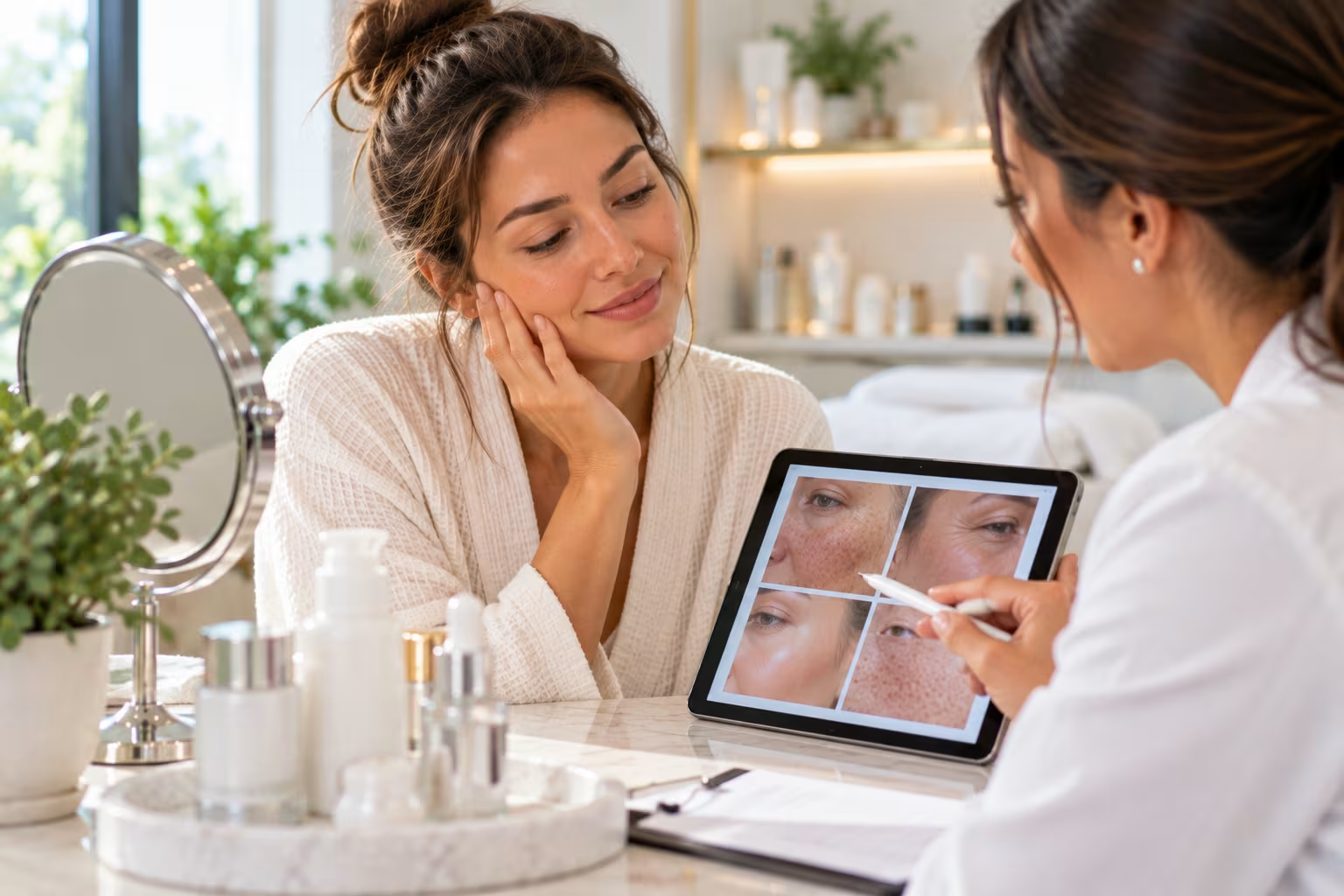
For this reason, treatment plans for melasma often prioritize gentler chemical peels, diligent sun protection, and skin barrier support over more intense laser settings that would be appropriate for sunspot removal. A proper evaluation before starting treatment helps determine which type of pigmentation is present and which approach will actually help rather than aggravate it.
Most people notice gradual fading over several weeks, with continued improvement over a series of treatments spaced four to six weeks apart. Because melanin clears from the skin over time rather than disappearing instantly, patience and consistency both play a role in the final result.
Maintaining strict sun protection between and after treatments is one of the biggest factors in how long results last, since new sun exposure can trigger the same pigment producing response that caused the original discoloration.
Diet and lifestyle have a smaller but still meaningful influence on hyperpigmentation, primarily through their effect on inflammation and the skin's overall healing capacity. Chronic inflammation, whether from diet, stress, or poor sleep, can make the skin more reactive and slower to recover from the triggers that cause pigment changes.
Antioxidant rich foods, adequate hydration, and consistent sleep all support the skin's natural repair process, which can make professional treatments more effective and help results last longer. None of these lifestyle factors will resolve hyperpigmentation on their own, but they create a better foundation for treatment to work.
Yes, hyperpigmentation can return if the original trigger, whether sun exposure, hormones, or skin trauma, is not managed going forward. This is why most treatment plans include ongoing sun protection and, in some cases, periodic maintenance treatments.
Daily broad spectrum sunscreen is the single most important habit for preventing new hyperpigmentation and protecting the results of any professional treatment. A consultation at New England Wellness Center can help build a maintenance plan suited to your specific type of discoloration.
Can hyperpigmentation be treated at any time of year? Certain treatments, particularly some lasers, are best scheduled during months with lower sun exposure to reduce the risk of the skin reacting to UV light during healing. A consultation can help determine the best timing for your specific treatment.
Is hyperpigmentation more common in certain skin tones? Darker skin tones are generally more prone to hyperpigmentation because they naturally produce more melanin, which means treatment approaches often need to be adjusted to avoid triggering further pigment changes.
Will over the counter brightening products get rid of hyperpigmentation? Over the counter products can help with mild, surface level discoloration but generally cannot reach deeper pigmentation the way professional treatments can. They tend to work best as a maintenance step after in office treatment.
How do I know if my dark spots are sun damage or something else? A professional evaluation is the most reliable way to distinguish between sunspots, melasma, and post inflammatory marks, since each responds differently to treatment.
Hyperpigmentation can feel permanent, but in most cases it is simply a matter of identifying the cause and choosing the right treatment approach. Whether it is sunspots from years of summers on the South Shore or lingering marks from an old breakout, there is a path to a more even skin tone.
If dark spots have been bothering you longer than you would like, the team at New England Wellness Center in Hingham can help identify the cause and recommend the right treatment.