Specials
Functional & Regenerative Medicine
Close
Functional Medicine
Regenerative Medicine
Aesthetic Services
Close
Gut Health Testing
More
.png)
Updated September 2026
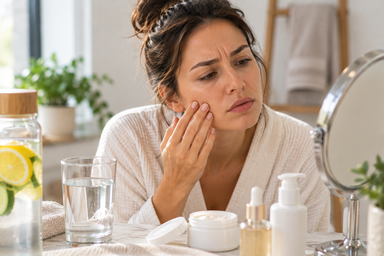
You drink your eight glasses a day, you moisturize morning and night, and your skin still feels tight, dull, or flaky by the afternoon. If that sounds familiar, you are not doing anything wrong. Real skin hydration has less to do with how much water you swallow and a lot more to do with whether your skin barrier can actually hold onto that moisture. In Hingham, where salt air, seasonal wind off the harbor, and New England's dry winters all take a toll on the skin, that barrier gets tested more than most people realize.
This article breaks down what is actually happening beneath the surface when skin feels dehydrated, the everyday habits that make it worse, and the treatments that help skin hold moisture the way it is supposed to.
Dehydrated skin lacks water, while dry skin lacks oil, and the two require different fixes. Dehydration can affect any skin type, even oily or acne-prone skin, which is why so many people keep adding products without seeing improvement.
Dry skin is a skin type determined largely by genetics and lower natural oil production. Dehydration, on the other hand, is a temporary condition caused by factors like weather, diet, sun exposure, and a compromised skin barrier. Someone with naturally oily skin can still experience dehydration if their barrier is damaged, which often shows up as skin that looks shiny in some areas but feels tight and rough in others.
Cold, dry winter air combined with indoor heating strips moisture from the skin faster than most skincare routines can replace it. Add in the salt air and wind common along the South Shore, and skin in towns like Hingham tends to lose water at a faster rate than skin in more humid climates.
During colder months, the air itself holds less moisture, which pulls hydration out of the skin through a process called transepidermal water loss. Indoor heating systems make this worse by drying out the air inside homes and offices. Many residents notice their skin hydration needs shift dramatically between summer and winter, which is why a seasonal approach to skincare tends to work better than a one size fits all routine.
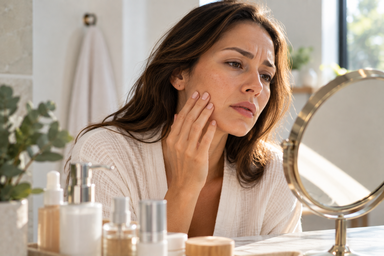
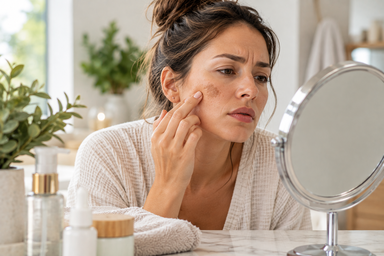
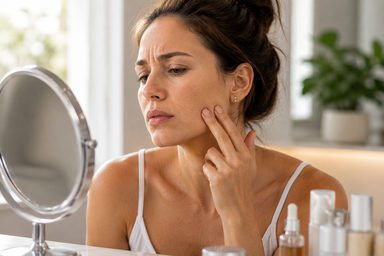
The most common signs include tightness after cleansing, flaking or rough patches, dull or uneven texture, and fine lines that look more pronounced by the end of the day. Some people also notice their makeup sits unevenly or their skin feels itchy in dry areas like the cheeks and around the nose.
Another overlooked sign is skin that looks fine in the mirror but feels uncomfortable to the touch. Because dehydration affects the skin's surface layer, it can mask itself cosmetically while still causing irritation, sensitivity, and a weakened barrier underneath.
Chronic dehydration usually comes from a combination of environmental exposure, harsh skincare products, and lifestyle habits that draw moisture out of the skin faster than it can be replaced. Over cleansing, hot showers, alcohol based toners, and skipping moisturizer after washing are some of the most common culprits.
Diet and sleep also play a role. Diets low in essential fatty acids can weaken the skin's natural barrier, while poor sleep affects the skin's ability to repair itself overnight. Sun exposure without protection is another major factor, since UV damage breaks down the skin's ability to retain water over time.
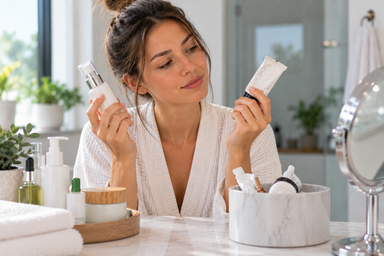
A consistent routine built around gentle cleansing, barrier repairing ingredients, and daily sun protection makes the biggest difference for at home hydration. Look for ingredients like hyaluronic acid, ceramides, and glycerin, which help the skin attract and lock in moisture rather than sitting on top of it.
Applying moisturizer to slightly damp skin, rather than fully dry skin, helps seal in more water. Using a humidifier during dry winter months and avoiding hot water when washing the face can also protect the skin barrier from unnecessary stress. These habits support the skin day to day, but they work best alongside professional treatments that address hydration at a deeper level.
Treatments like HydraFacial are designed specifically to cleanse, exfoliate, and infuse the skin with hydrating serums in a single session, making them one of the most effective options for restoring moisture balance. The treatment uses a vortex technology to remove dead skin cells and impurities while simultaneously delivering antioxidants and hyaluronic acid deep into the skin.
For clients dealing with more stubborn texture alongside dehydration, dermaplaning can be paired with a hydrating facial to remove the layer of dead skin and fine vellus hair that often blocks moisturizing products from absorbing properly. Removing that barrier allows serums and treatments to penetrate more effectively, which means better hydration results overall.
Hydration is not only a skincare issue either. IV therapy and nutrient IV treatments deliver fluids, electrolytes, and vitamins directly into the bloodstream, supporting hydration from the inside in a way that drinking water alone often cannot match, especially for people who are frequently dehydrated due to travel, exercise, or busy schedules.
Most adults dealing with tight, flaky, or dull skin are good candidates for hydration focused treatments, regardless of skin type or age. This includes people with oily skin who are dehydrated rather than dry, as well as those with visible dryness from weather, aging, or lifestyle factors.
People preparing for an event, recovering from sun exposure, or simply looking to reset their skin after a harsh winter often see noticeable improvement after just one professional treatment. A consultation at New England Wellness Center can help determine which combination of treatments fits a specific skin concern best.
Most people benefit from a hydrating facial every four to six weeks, which aligns with the skin's natural renewal cycle. Consistent treatments help maintain the skin barrier over time rather than only addressing dehydration after it becomes noticeable.
Seasonal timing matters too. Many Hingham residents schedule an extra treatment heading into winter, when indoor heating and cold air place the most stress on the skin, and again in early spring to repair any damage from the dry season.
Does drinking more water actually improve skin hydration? Drinking water supports overall health, but it has a limited direct effect on skin hydration once basic needs are met. The skin barrier and topical hydration play a much larger role in how moisturized skin actually looks and feels.
Can oily skin still be dehydrated? Yes. Oily skin produces excess sebum, but that does not mean it is properly hydrated. In fact, dehydration can trigger the skin to produce even more oil as it tries to compensate for the lack of water.
How long do the effects of a HydraFacial last? Most people notice hydrated, glowing skin for several weeks after treatment, with results varying based on skin type, environment, and at home skincare habits.
Is skin hydration different for men and women? The underlying skin biology is similar, though men's skin tends to be thicker with larger pores, which can change how quickly it loses or absorbs moisture. Both benefit from a consistent hydration routine tailored to their skin's needs.
Dehydrated skin is common, but it does not have to be permanent. Once you understand the difference between dry and dehydrated, adjust a few daily habits, and add the right professional treatment into the mix, skin hydration becomes a lot more manageable, even through a New England winter.
If your skin has been feeling tight, dull, or just not like itself lately, the team at New England Wellness Center in Hingham can help you build a plan suited to your skin's specific needs.